The Night Shift
NativeHumboldt’s Flying Squirrel
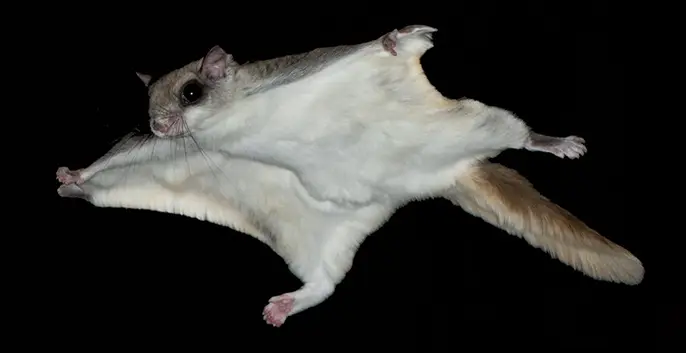
Humboldt’s Flying Squirrel is also a native California tree squirrel. It is nocturnal, glides between trees, and is rarely seen.
 1
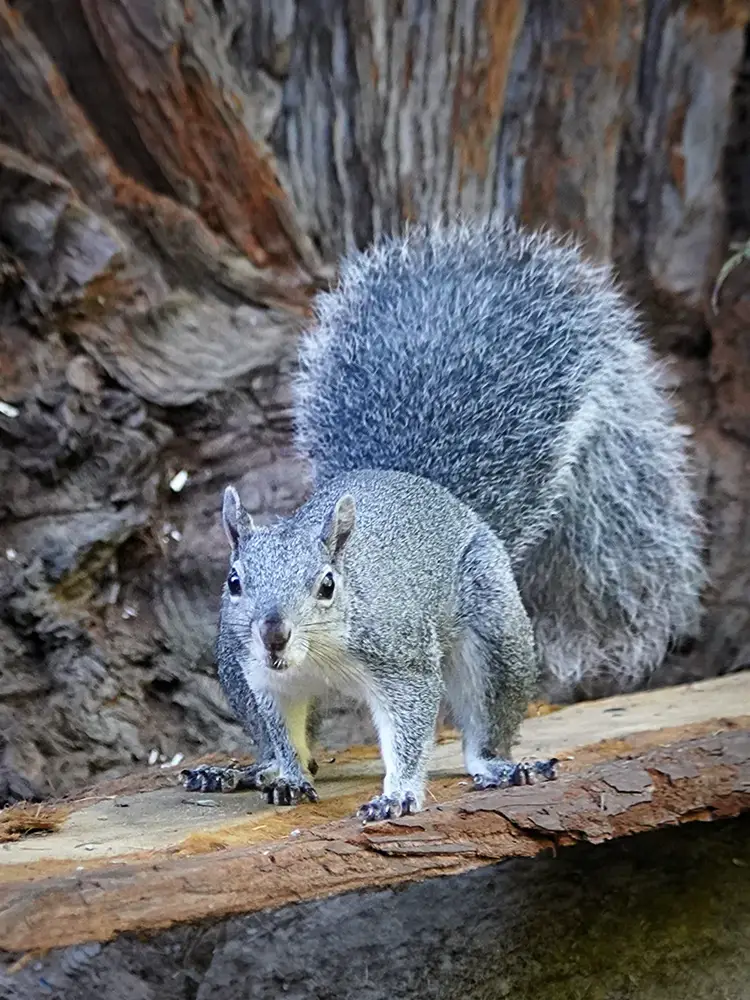
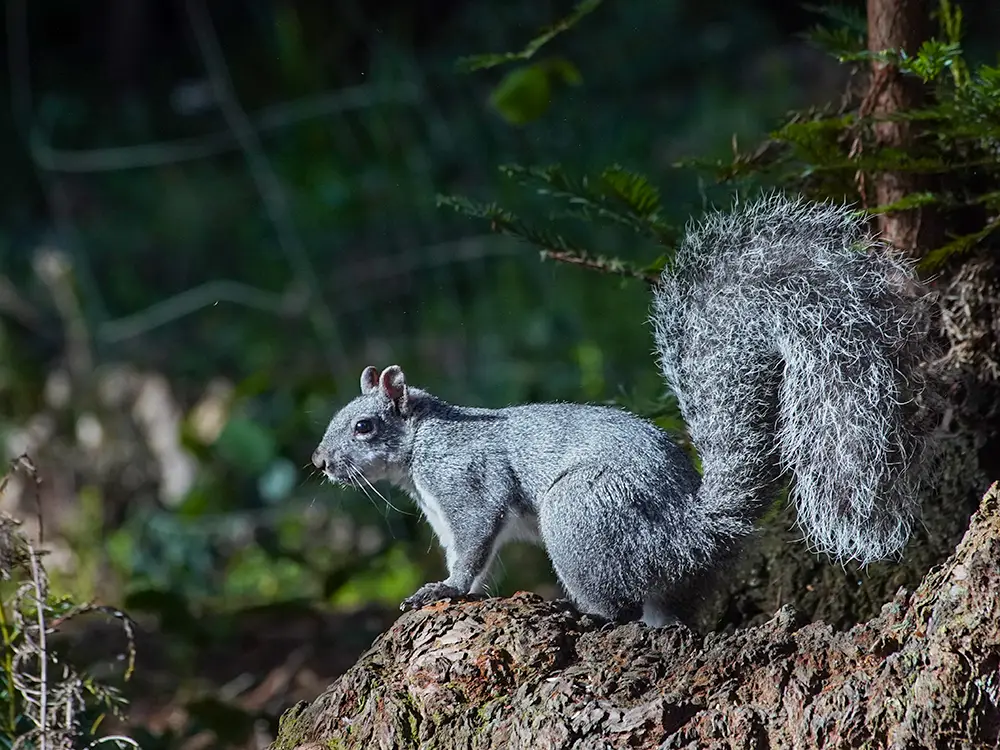
Western Gray Squirrel · Sciurus griseus
Western Gray Squirrels are naturally cautious around people. They typically do not initiate contact, can be quick to startle, and won't join a picnic to beg for food like those that appear in viral videos.
“secretive and wary by nature”
 2

 4
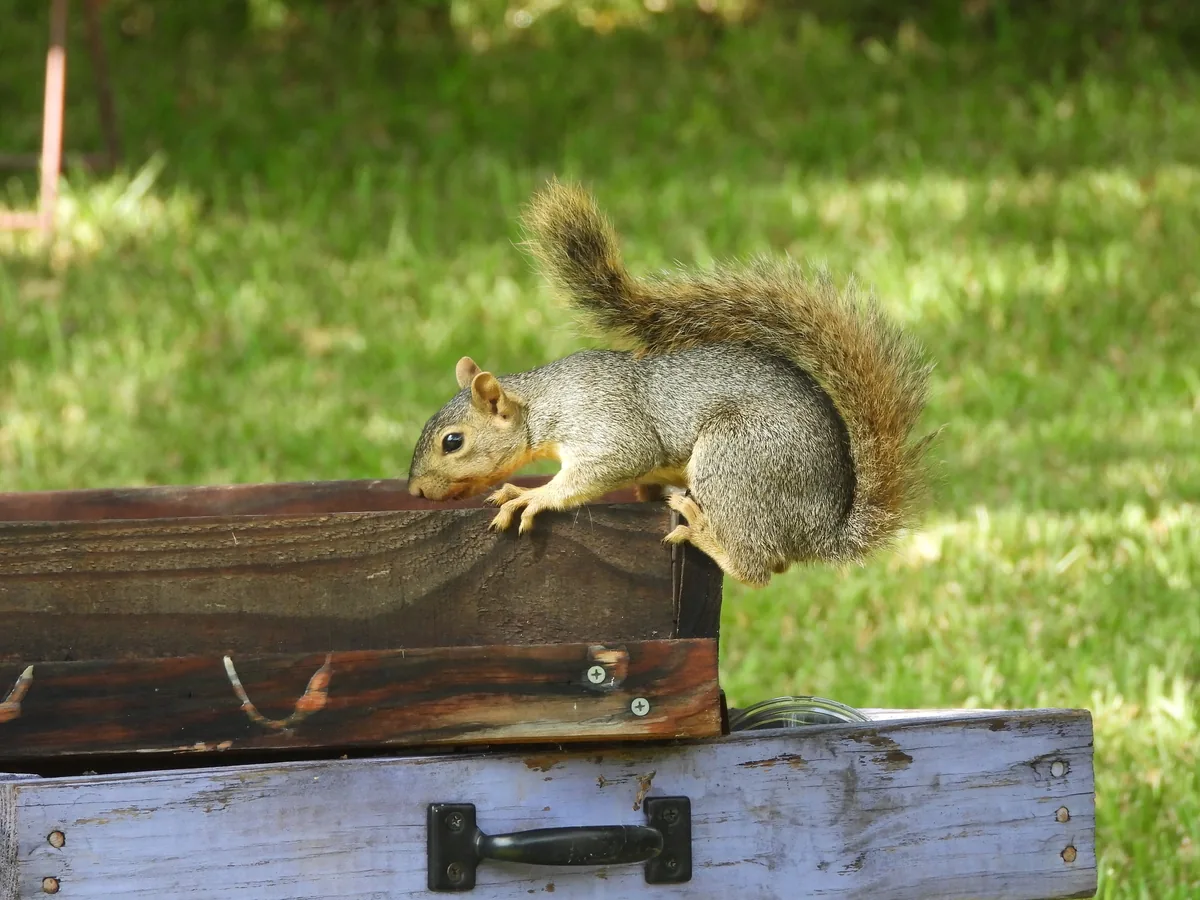
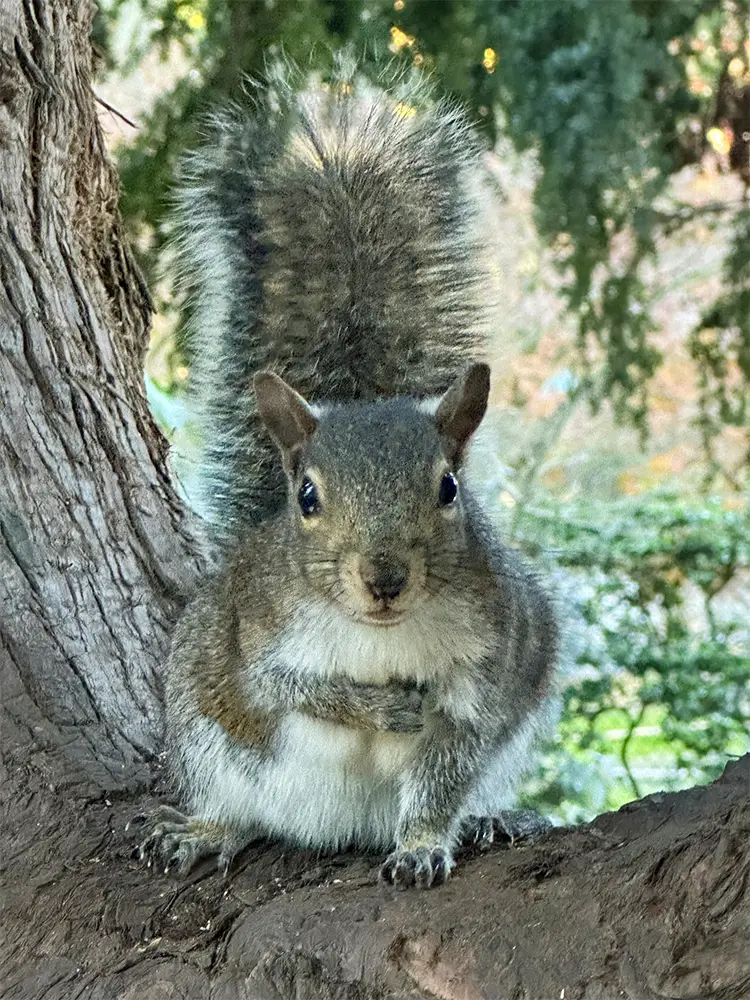
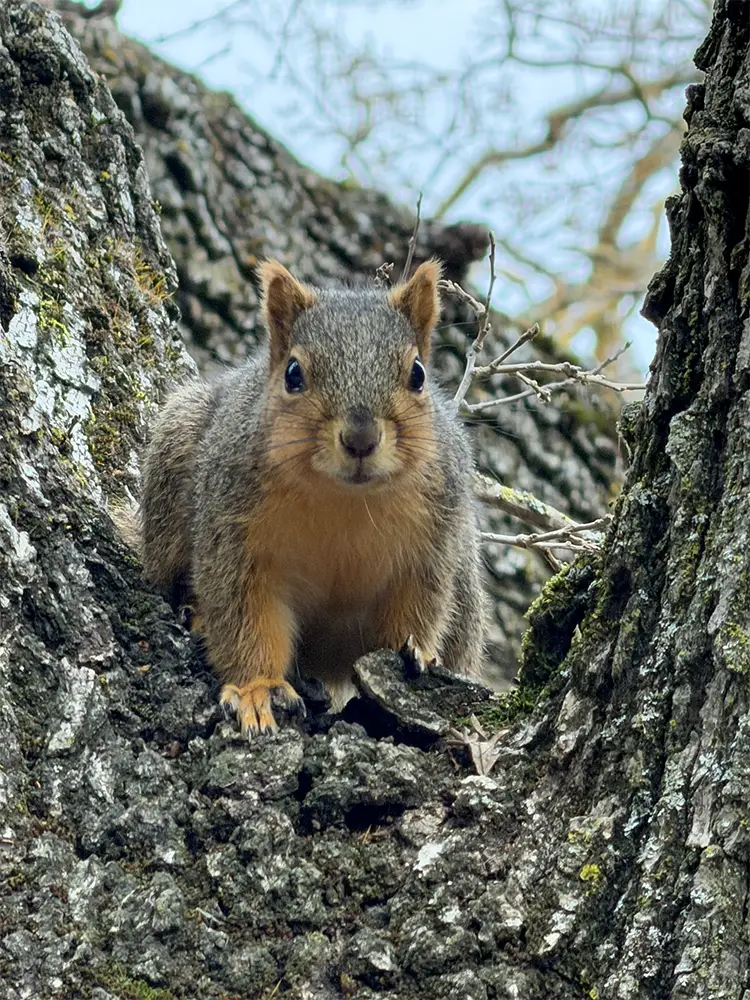
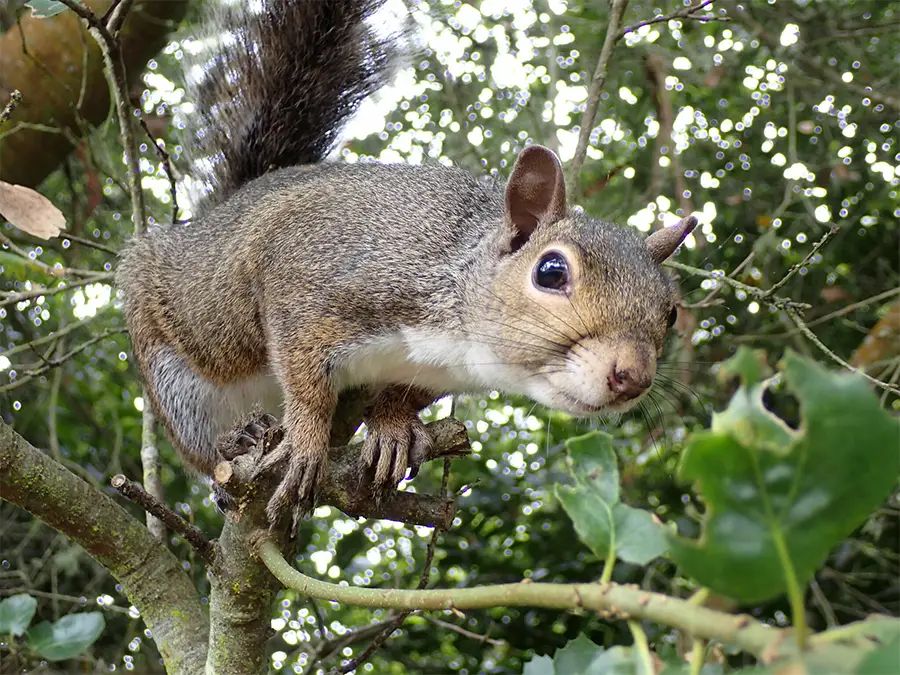
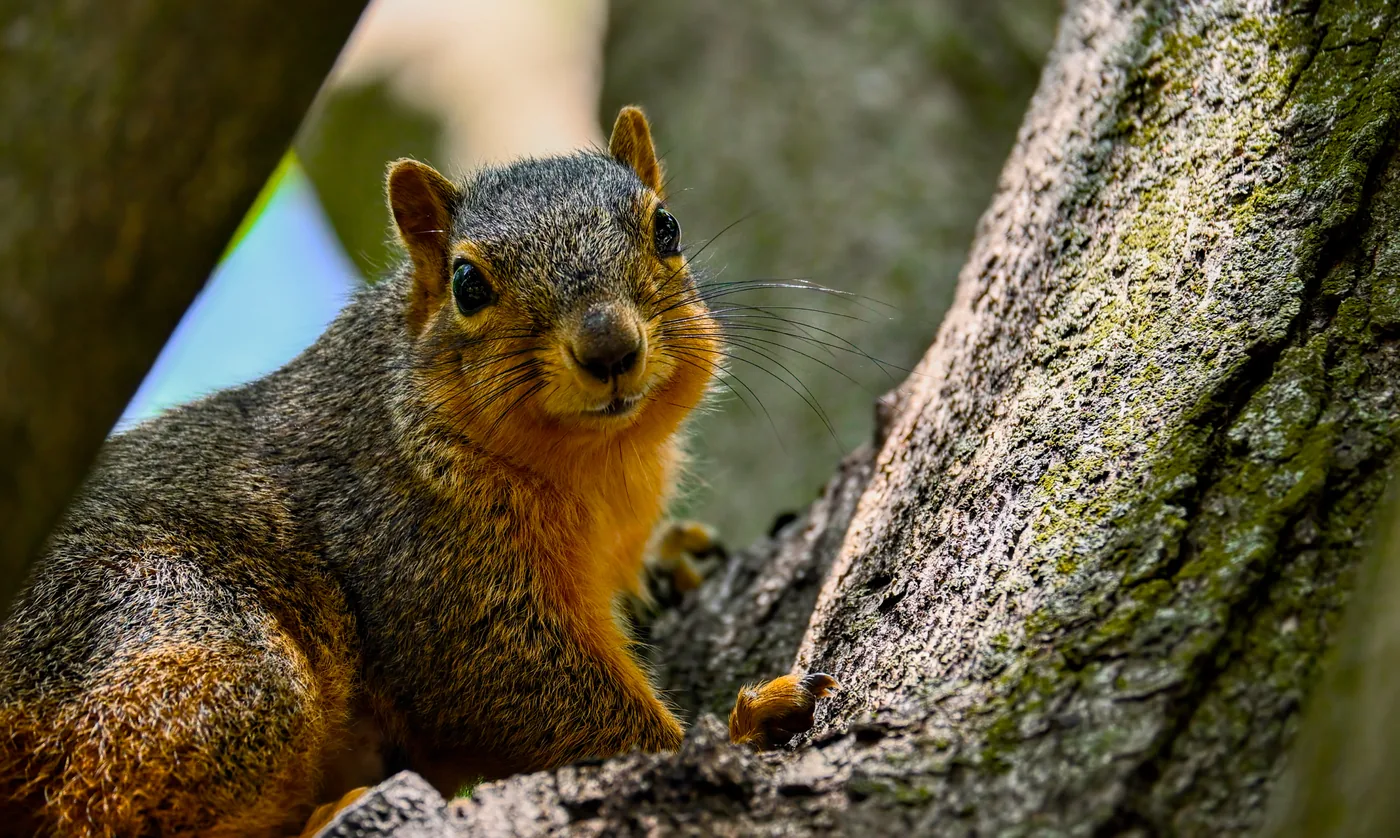
In many West Coast cities and suburbs, the tree squirrels people see every day came from east of the Mississippi. People deliberately introduced Eastern Gray and Fox Squirrels to western cities more than a century ago.

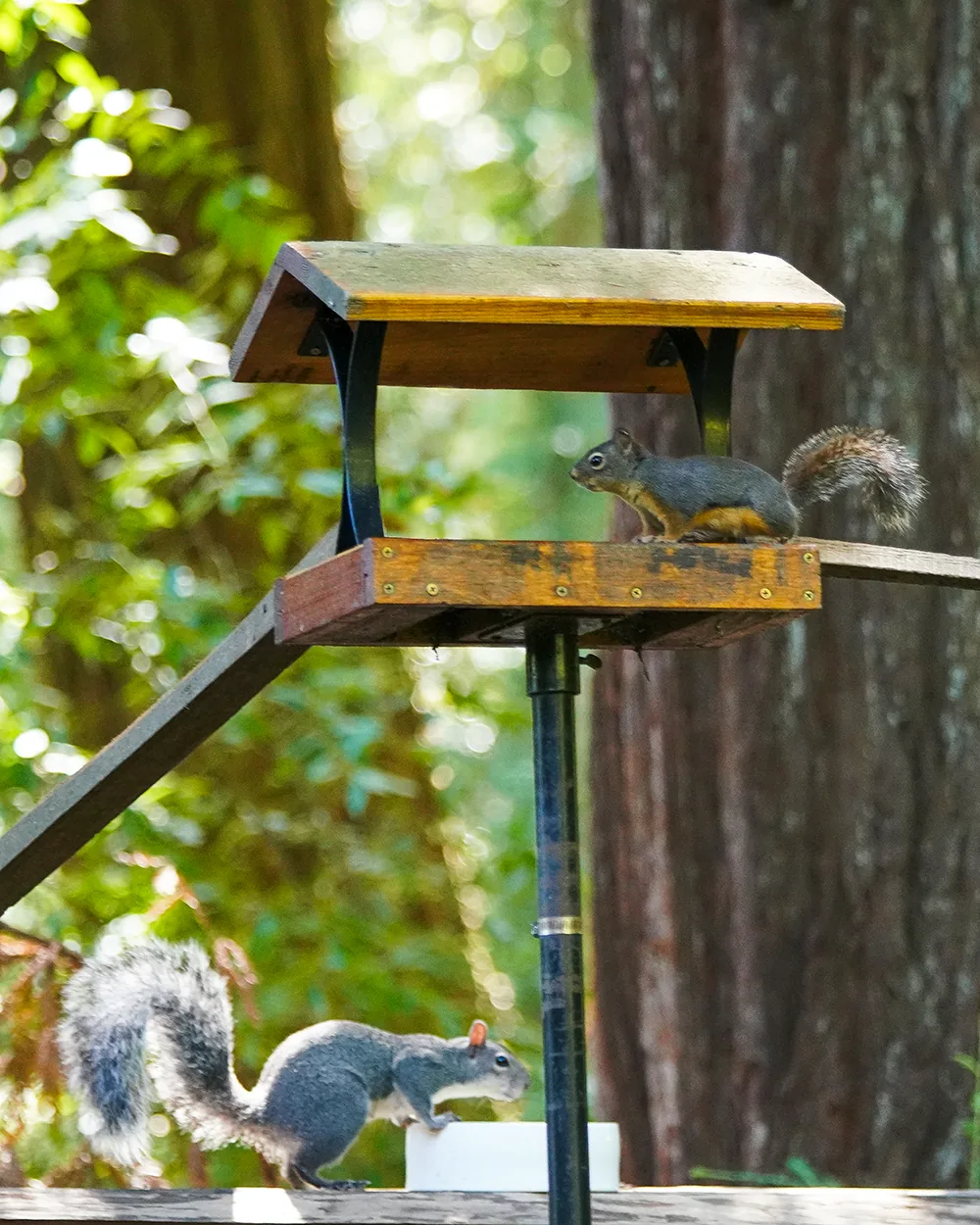
I live in a small patch of second-growth redwood forest in western Sonoma County, where Western Gray and Douglas squirrels visit the same feeding area at the edge of my deck.
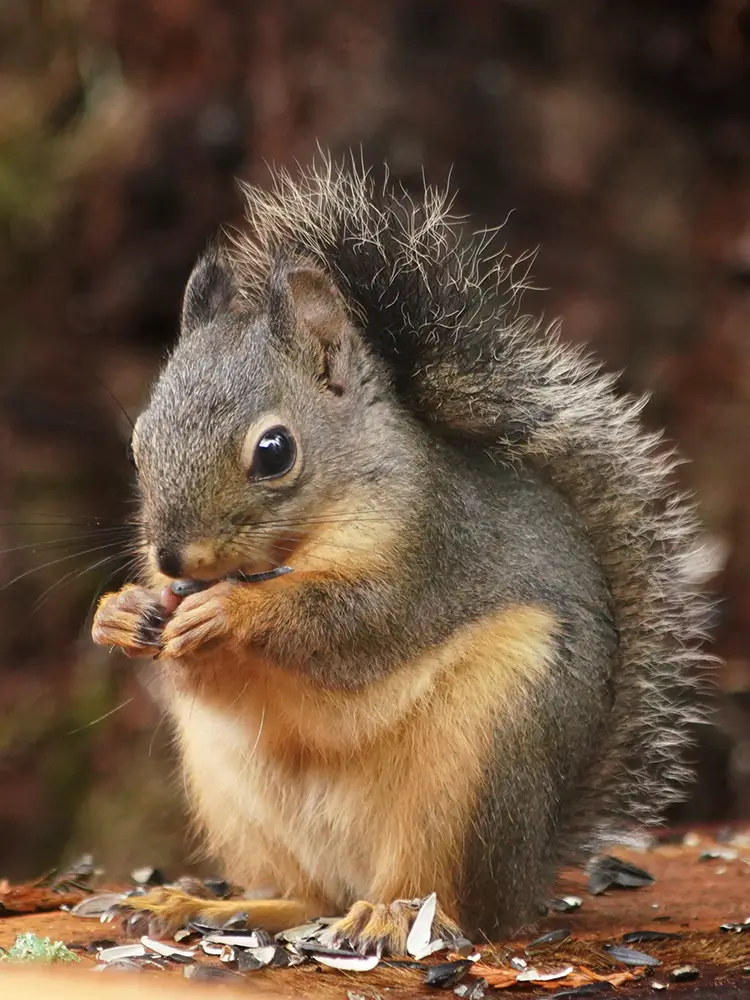
Over time, the Douglas Squirrels have become more tolerant of my presence. If I move slowly and keep my distance, they may stay and carry on eating, chirping and chattering. If I get too close, they might dart to a tree trunk, but they typically watch me and stealthily move back to their foraging near the deck.
The Western Grays are different. After years of seeing me almost every day, the turn of a doorknob can still send them racing up a tree. Occasionally, they stop on the first high redwood branch and watch from there, but more often, they withdraw much farther or disappear from view altogether.
I kept wondering why. I expected that eventually they would become comfortable around me, like the squirrels in parks and videos that approach people or even eat from their hands.
They never did.
So I started looking for an explanation.
This site focuses on four daytime tree squirrels found in California. But they are not the whole story.
The Night Shift
NativeHumboldt’s Flying Squirrel is also a native California tree squirrel. It is nocturnal, glides between trees, and is rarely seen.
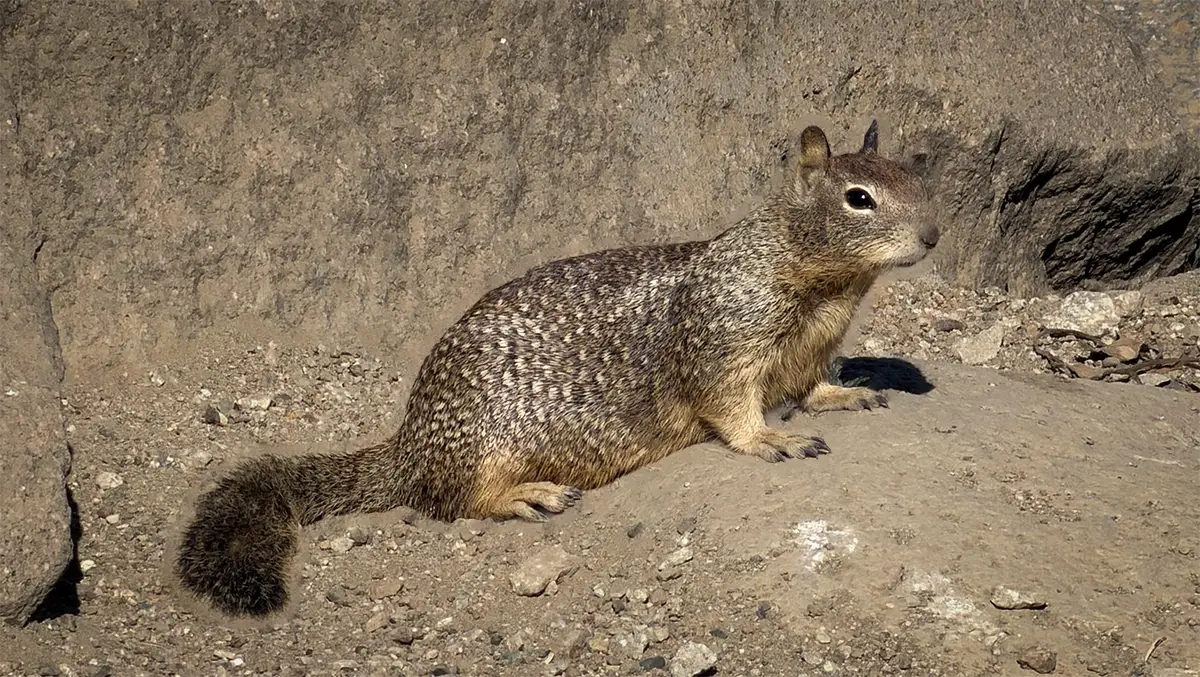
Ground squirrels are not tree squirrels. The California Ground Squirrel, pictured here, lives in burrow systems, where it sleeps, stores food, and rears its young.
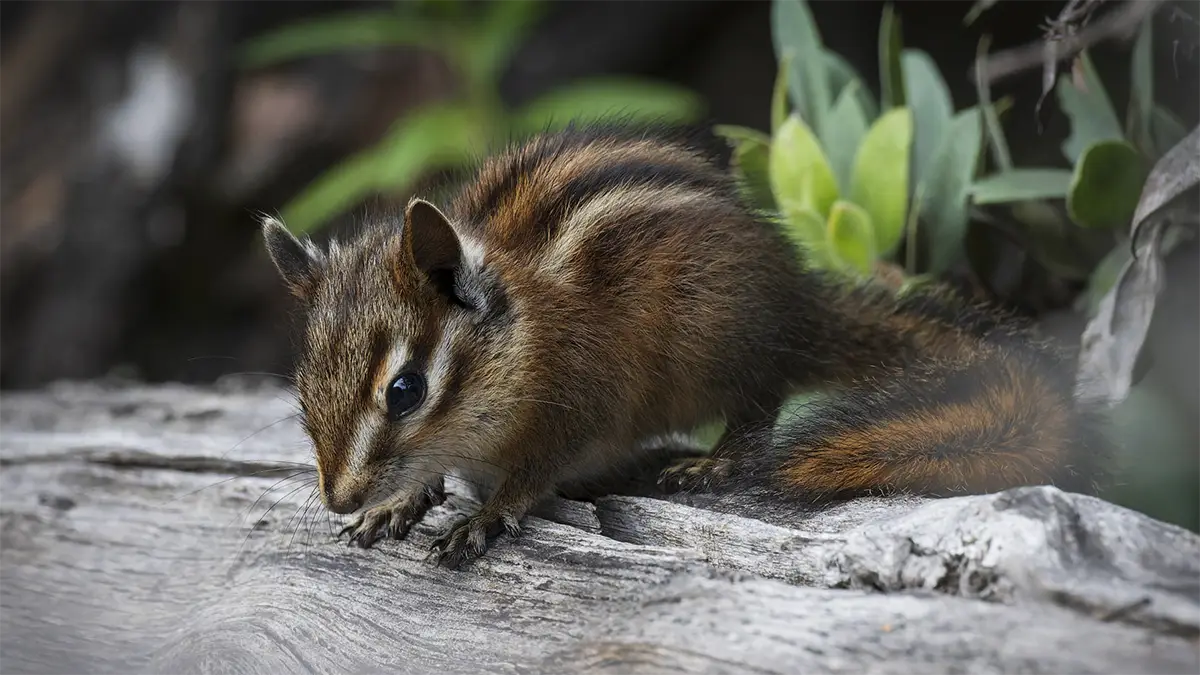
California has numerous native chipmunk species, often tied to particular regions, elevations, or habitats; this one is a Sonoma Chipmunk. Chipmunks belong to the squirrel family but are not tree squirrels. They can climb, and depending on the species they nest in burrows, logs, rock crevices, or tree cavities.
 13
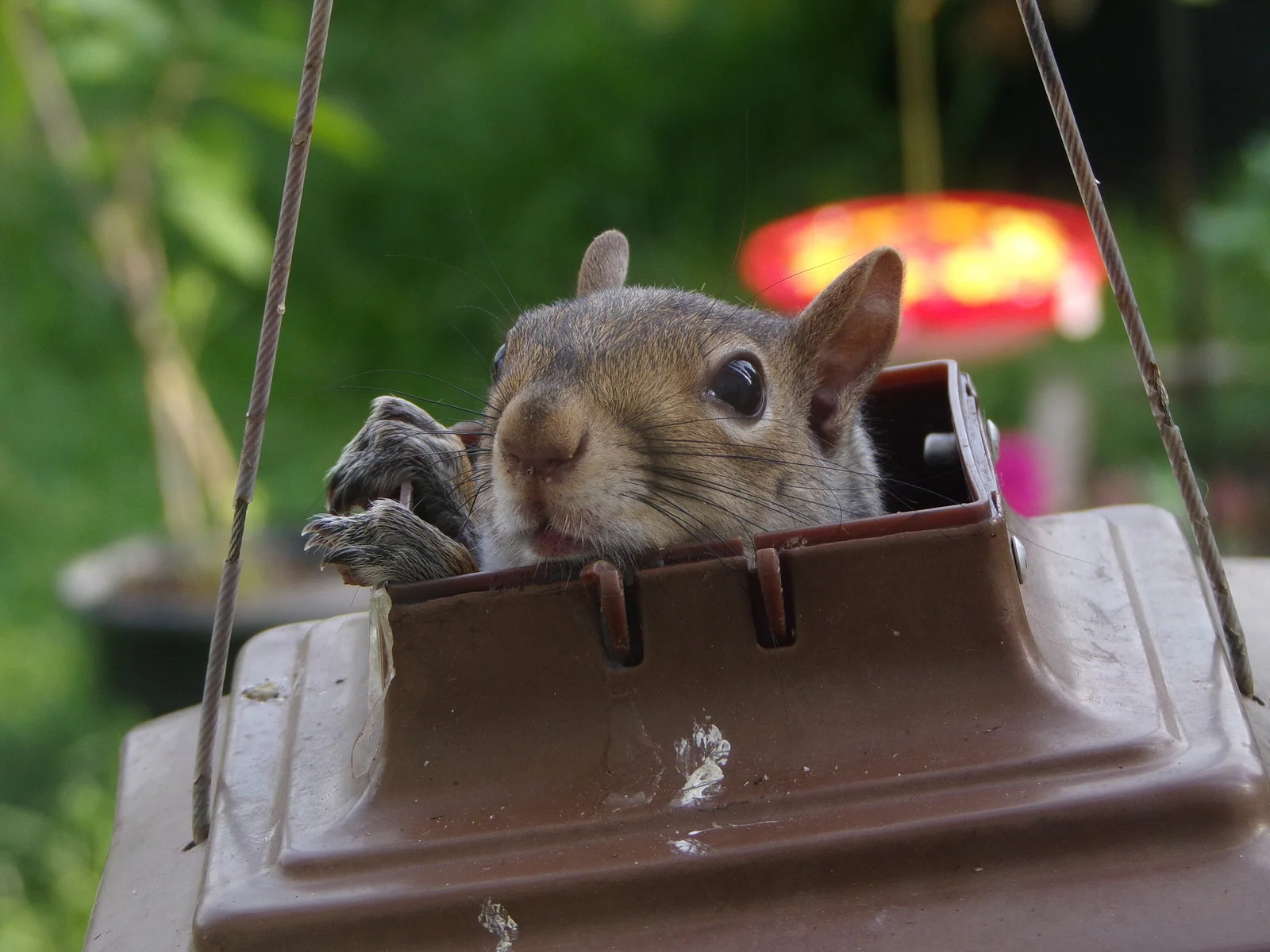
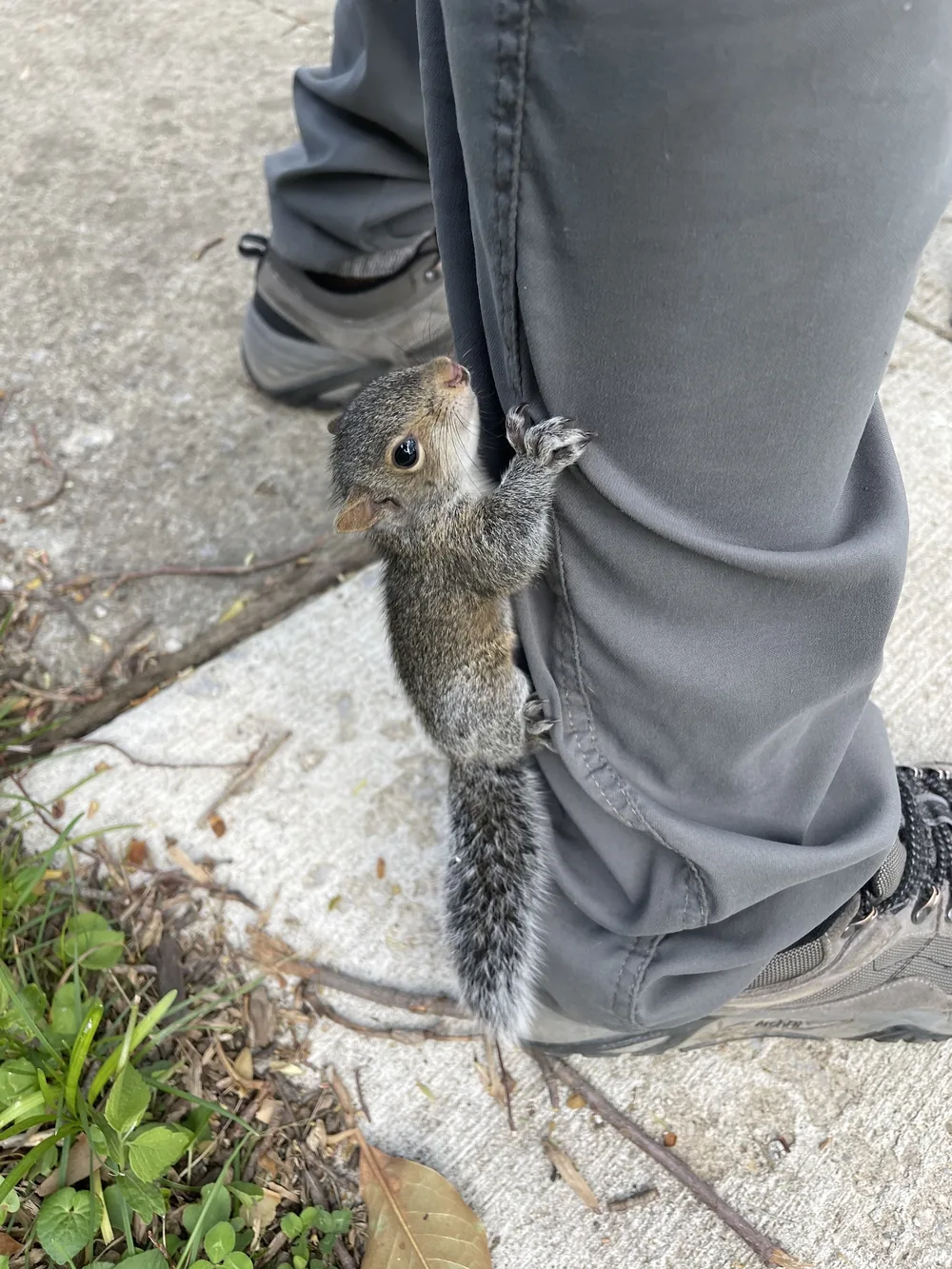
In many California cities and suburbs where the two introduced squirrels have become established, Eastern Gray and Fox Squirrels live close to people. Some might say they: steal from feeders, terrorize gardens, and gnaw on our trees and houses. However, we can objectively say that they: visit feeders, explore gardens, and customize the human built environment for their own use. And, they tend to interact with the humans who offer them food.
That closeness is part of their appeal. For many people, squirrels are among the few wild mammals they can watch regularly and at close range.
But close neighbors can also come into conflict. Squirrels may dig up plants in the garden, strip bark, take fruit or nuts, gnaw wood or wiring, or enter attics and other buildings. An encounter that is charming in one setting can become a serious problem in another.
Field observation
Western Sonoma County
 18
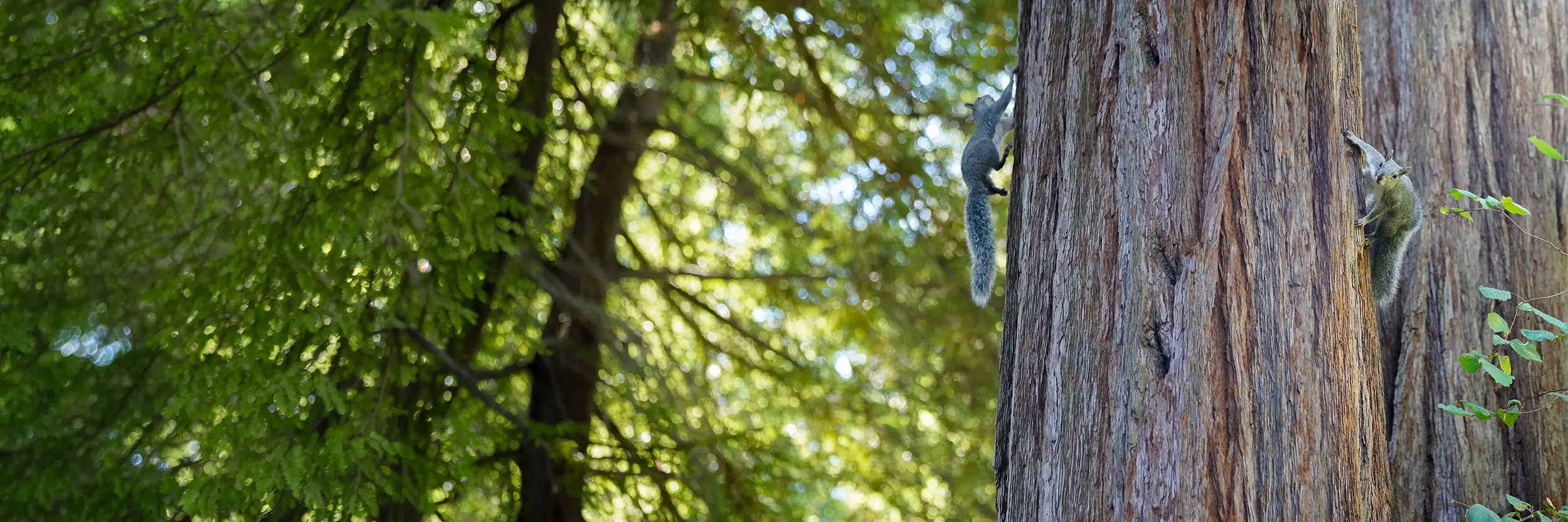
Western Gray and Douglas squirrels regularly use the same small patch of redwood forest where I live. I often see them feeding within a few feet of one another, as you can see in some of my photos. Both species will vocalize strongly at the other, and they seem to be trying to make a claim to the territory, but I see them chasing the other species about as much as they chase their own: round and round the big redwood trunks, spiraling up and down.
That does not tell us how the two species interact everywhere, or what happens when food is scarce. But here, at least, I have repeatedly observed both species using the same patch of forest.
Some photos are cropped to fit the layout.